

Loading…
Study
Bachelor's, master's, MBA, and doctoral degrees.
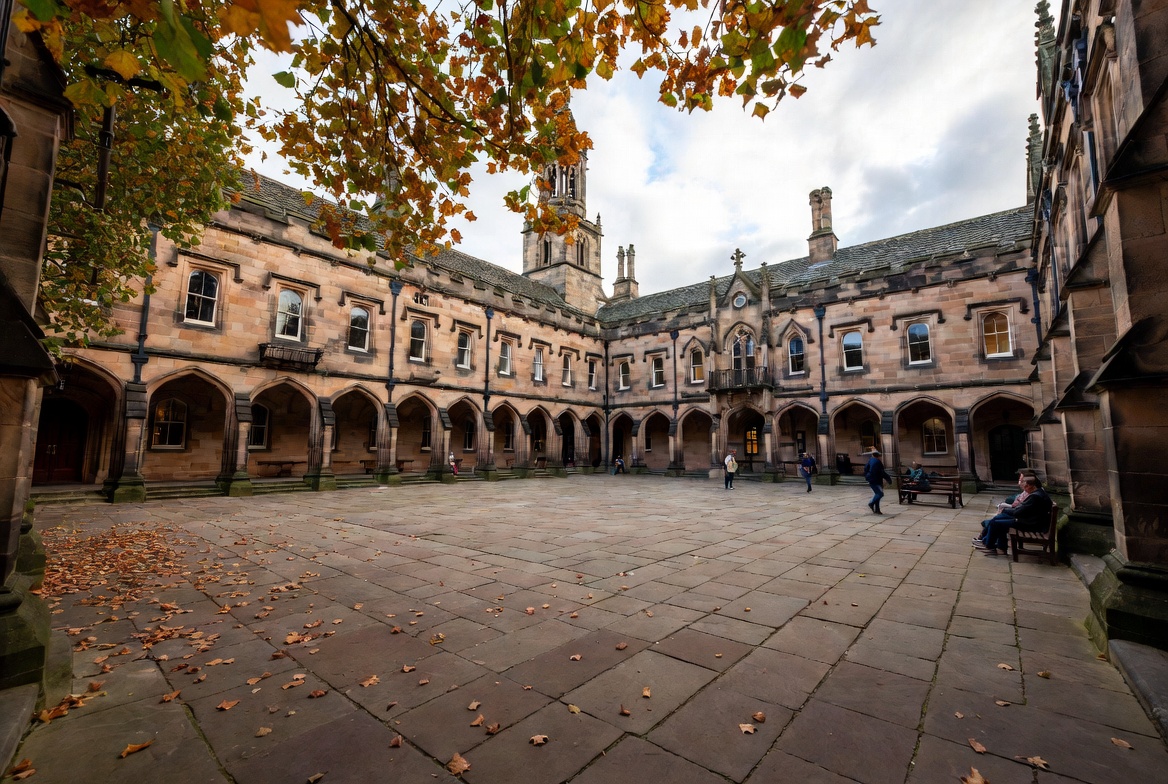 Find your programme
Admissions
One online application, saved from the first step.
 Start your application
Student life
Support from your first week to graduation.
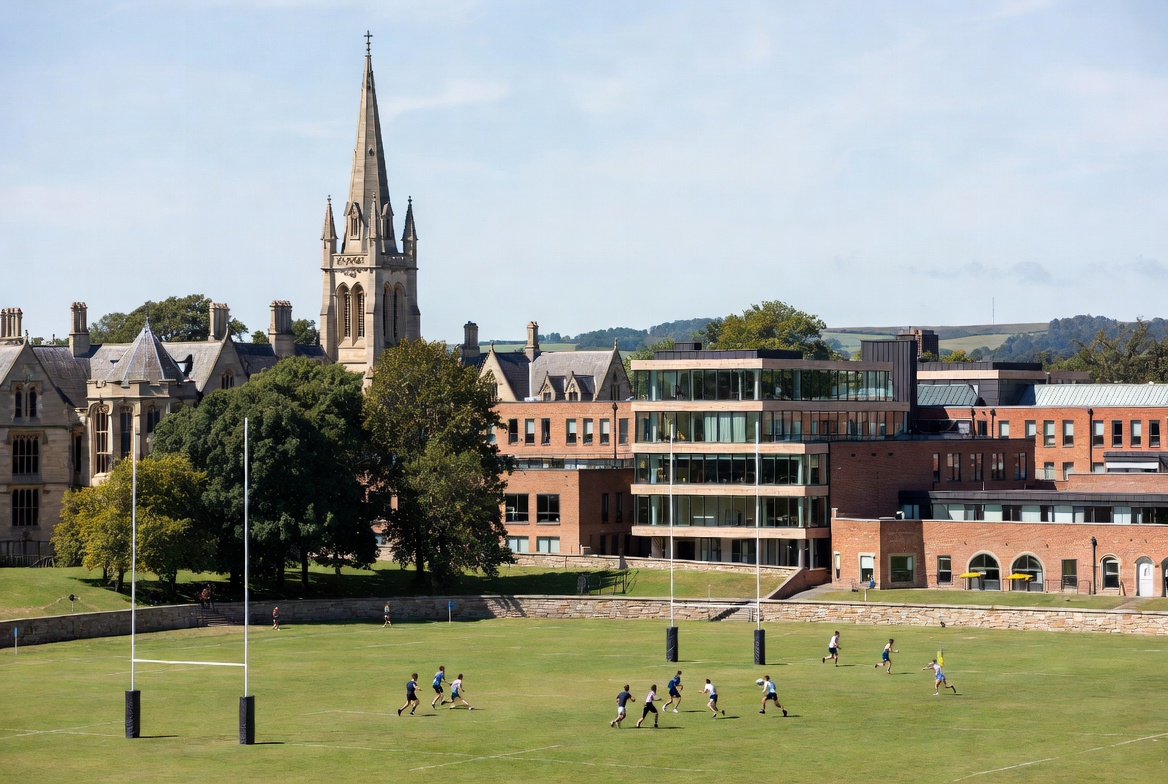 Campus and city
University
Who we are and how our degrees are recognised.
 Our story since 1999
Loading…

MA International Development & NGO Management — an accredited Master's for people doing this work, not just reading about it.
Development theory, programme design, monitoring and evaluation, grant management and the governance of NGOs — for practitioners in the aid and third sector.
Gisma University of Applied Sciences teaches this award to one academic standard whether you study on campus in Wrocław or on the tuition-free online pathway. Assessment is identity-checked; the marking scheme does not change with your postcode. This is an academic Master's award; where a field has a licensing or registration route, that remains a matter for your professional body or regulator.
You will work through the material as a practitioner-researcher: applied methods, real or anonymised cases, and a supervised capstone or dissertation as the final component. Faculty mark whether you noticed the constraints a slide deck usually hides.
MA International Development & NGO Management is taught as one award, not a list of unrelated modules. The published length is 24 months, and the credit total is 36. Students move from Development Theory & Political Economy through Development Theory & Political Economy; Poverty, Inequality & Social Protection; Ethics, Safeguarding & Do-No-Harm; Programme & Project Cycle Management; Monitoring, Evaluation & Learning Systems; Grant, Budget & Compliance Management, and finish on Development Capstone Project.
Each course has a question, a method, and a submission. In this field, students diagnose one organisation and carry a decision through to a recommendation. Reading is a case, a short financial extract, and a stakeholder note. The artefact a marker expects is a consulting brief a manager could use.
The award is built so that a graduate can do the following in practice: Design and manage a development programme through the full cycle Build a monitoring, evaluation and learning system that is actually used Manage grants, budgets, procurement and compliance
Teaching assumes the student can read a source, attempt a problem before the seminar, and revise after feedback. Attendance at live seminars is part of the design. The capstone or final course must use the methods of the earlier courses; a project that ignores them does not pass.
The pages for each course name the topics that are examined. Those topics are the syllabus. A brochure line is not a substitute for them.
The programme carries 36 credits across four assessed modules. Delivery is tuition-free (0) on the online pathway. Transcripts use letter grades and a GPA scale consistent with Gisma University of Applied Sciences awards. No professional-body logo is used in marketing to imply endorsement.
Complete the online form, which saves from the first step, pay the $30 application fee, and upload your documents. Admissions emails you the decision.
Also consider